UnderstandingSickle Cell Disease
Knowledge is power. Learn about Sickle Cell Disease, its impact on the body and communities, and why awareness matters for everyone.
What is Sickle Cell Disease?
Sickle Cell Disease (SCD) is a group of inherited red blood cell disorders that affects the structure and function of hemoglobin, the protein that carries oxygen throughout the body.
In people with SCD, red blood cells become misshapen and break down, leading to anemia, pain crises, and various complications that can affect virtually every organ system in the body.
While SCD presents significant challenges, with proper medical care, lifestyle management, and community support, individuals with SCD can lead fulfilling lives.
Genetic Condition
SCD is an inherited blood disorder caused by a genetic mutation that affects hemoglobin production.
Blood Cell Shape
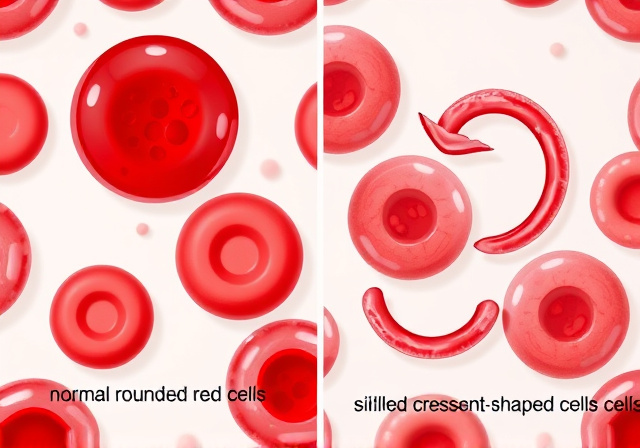
Normal red blood cells are round and flexible, but sickled cells become crescent-shaped and rigid.
Global Impact
Affects millions worldwide, with highest prevalence in people of African, Mediterranean, and Middle Eastern descent.
Chronic Condition
A lifelong condition that requires ongoing medical care and lifestyle management strategies.
How SCD Affects the Body
Sickle Cell Disease impacts multiple body systems due to the abnormal shape of red blood cells, which can block blood flow and reduce oxygen delivery to organs and tissues.
Circulatory System
- Blocked blood vessels causing pain crises
- Reduced oxygen delivery to tissues
- Increased risk of stroke
- Chronic anemia and fatigue
Respiratory System
- Acute chest syndrome
- Pulmonary hypertension
- Shortness of breath
- Increased infection risk
Bone & Joint Health
- Bone pain and damage
- Hip and shoulder problems
- Growth delays in children
- Increased fracture risk
Other Organs
- Kidney damage and complications
- Eye problems and vision issues
- Liver complications
- Delayed wound healing
Important to Remember
While Sickle Cell Disease affects many body systems, the severity and frequency of complications vary greatly from person to person. With comprehensive medical care, preventive measures, and lifestyle adaptations, many individuals with SCD live full, productive lives. Early intervention and ongoing management are key to minimizing complications and maintaining quality of life.
Why Awareness Matters
Raising awareness about Sickle Cell Disease is crucial for improving outcomes, reducing stigma, and building supportive communities for those affected by this condition.
Early Detection Saves Lives
Newborn screening programs have dramatically improved outcomes by enabling early treatment and preventing complications.
Breaking Down Stigma
Education helps dispel myths and misconceptions, creating more inclusive communities and workplaces.
Supporting Families
Awareness leads to better support systems, resources, and understanding for families affected by SCD.
Advancing Research
Increased awareness drives funding for research, leading to better treatments and potential cures.
Join the Movement
Every person who learns about Sickle Cell Disease becomes an advocate for change. Together, we can create a world where those with SCD receive the understanding, support, and care they deserve.